
Types of Fire Extinguisher Cylinders: Fire safety is not a one-size-fits-all solution. Different types of fires demand different firefighting approaches—and that’s where fire extinguisher cylinders come in. Having the right type of extinguisher on hand can make the difference between a minor incident and a devastating disaster.
From homes to hospitals and factories to server rooms, every environment is vulnerable to specific types of fire hazards. Understanding the types of fire extinguisher cylinders and their appropriate uses is crucial for ensuring maximum safety and preparedness.
Importance of Having the Right Fire Extinguisher
Each fire extinguisher is engineered to combat particular classes of fire. Using the wrong type can not only be ineffective but may even worsen the situation. For instance, spraying water on an electrical fire can cause electrocution, while using foam on metal fires may trigger explosions. This is why choosing the correct extinguisher type is vital for both saving lives and protecting property.
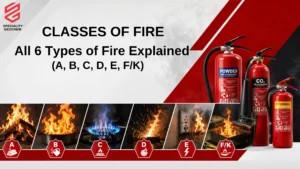
Fire Classes Overview (A, B, C, D, K)
Understanding fire classes is the first step in choosing the right extinguisher:
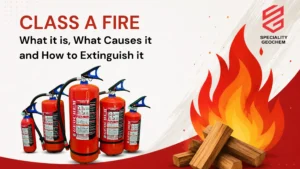
- Class A: Fires that originate from everyday materials such as wood, fabric, paper, and other common organic substances.
- Class B: Flammable liquids such as petrol, diesel, paint.
- Class C: Fires caused by energized electrical sources like circuits, power cables, machinery, or electronic devices.
- Class D: Combustible metals like magnesium, aluminum, and titanium.
- Class K: Fires fueled by hot cooking oils, grease, and fats, typically found in restaurant kitchens and other food preparation areas.
Why Choosing the Right Extinguisher Saves Lives and Property
Selecting the correct fire extinguisher cylinder not only improves response times but also reduces collateral damage, especially in sensitive environments like data centers, kitchens, or chemical storage facilities. It ensures the fire is contained quickly, limits health hazards, and prevents financial losses.
Classification of Fire Extinguisher Cylinders
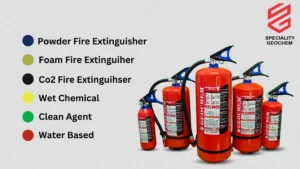
Below are the main types of fire extinguisher cylinders, categorized by the extinguishing agent they contain.
1. Water-Based Fire Extinguisher
Water-based extinguishers are widely used due to their affordability and effectiveness in tackling basic fire hazards.
- Best For: Class A fires (wood, paper, textiles)
- Not Suitable For: Class B, C, D, or K fires
- Typical Locations: Homes, offices, schools, warehouses
These work by cooling the burning material and removing the heat element of the fire triangle.
2. Foam Fire Extinguisher
Foam extinguishers provide a blanket effect that smothers flames.
- Effective On: Class A and B fires
- Usage Areas: Fuel stations, garages, paint stores, chemical storage areas
They prevent re-ignition by forming a seal over flammable liquid surfaces and are safer than water in many industrial setups.
3. CO2 (Carbon Dioxide) Fire Extinguisher
CO2 extinguishers discharge a cloud of cold carbon dioxide that displaces oxygen.
- Best For: Class B and C fires (flammable liquids and electrical equipment)
- Benefits: No residue; non-damaging to electronics
- Where Used: Server rooms, laboratories, electrical cabinets, offices
These extinguishers are ideal where cleanliness and equipment safety are a concern.
4. Dry Chemical Powder (ABC) Fire Extinguisher
This versatile extinguisher contains a dry chemical agent that halts the fire’s combustion process by breaking the chain reaction at a molecular level.
- Covers: Class A, B, and C fires
- Best For: Factories, commercial areas, construction sites
- Drawback: Leaves residue that may damage sensitive equipment
Highly versatile and widely used in India for industrial and commercial settings.
5. Wet Chemical Fire Extinguisher
Wet chemical extinguishers cool flames and form a layer over the burning oil or fat to prevent reignition.
- Targeted For: Class K fires (cooking oil and grease)
- Used In: Restaurants, hotels, commercial kitchens, food courts
They are the only safe and effective option for tackling kitchen fires caused by oils or fats.
6. Clean Agent Fire Extinguishers
These use gases like FM-200 or Halotron to suppress fire without leaving residue.
- Ideal For: Electronics, data centers, museums, medical facilities
- Advantages: Non-conductive, safe for humans, eco-friendly
- Application: Telecom rooms, computer labs, aviation industries
Clean agent extinguishers are fast-acting and environmentally safer alternatives to Halon-based systems.
7. Class D Fire Extinguishers (Dry Powder for Metal Fires)
These are specialized extinguishers filled with dry powder specifically for metal fires.
- Effective Against: Combustible metals such as magnesium, sodium, potassium
- Industries: Chemical plants, automotive, aerospace, metalworking facilities
They work by absorbing heat and smothering the burning metal to cut off oxygen.
How to Choose the Right Fire Extinguisher Cylinder
Selecting the proper extinguisher depends on:
- Fire Risk Assessment: Identify the materials stored and the potential ignition sources within the area to determine the level and type of fire risk.
- Environment Type: Indoor areas with electronics need CO2 or clean agent extinguishers, while outdoor or industrial environments might need dry powder.
- Safety Standards: Ensure the extinguisher complies with IS 15683 (India) or relevant global standards (EN, UL, NFPA).
Consulting a professional fire safety consultant or supplier like Speciality Geochem ensures you get the right cylinder for your specific needs.
Where Are These Cylinders Commonly Used?
Different environments require different fire extinguishers:
- Residential: Water or ABC powder extinguishers are sufficient for most household risks.
- Commercial: Workplaces like offices, shopping centers, and retail stores typically rely on CO₂ and foam extinguishers to manage fires involving electronic equipment and flammable liquids.
- Industrial: Factories, manufacturing units, and warehouses require ABC or Class D extinguishers.
- Public Places: Hospitals, schools, and airports need a mix depending on the risk profile and occupancy.
- Commercial Kitchens: Must have wet chemical extinguishers for oil and grease fires.
Choosing based on site-specific risks increases preparedness and compliance with fire norms.
Maintenance & Safety Tips
A fire extinguisher cylinder is only effective when it’s functional and accessible. Follow these basic safety guidelines:
- Regular Inspection: Check pressure gauges, nozzles, and expiry dates monthly.
- Professional Servicing: Conduct annual maintenance through certified technicians.
- Training for Staff: Everyone should be aware of how to use PASS technique method—Pull, Aim, Squeeze, Sweep.
- Proper Storage: Mount cylinders on walls and ensure clear visibility and access.
Also, keep records of inspections and replace expired or damaged units immediately.
By understanding the different types of fire extinguisher cylinders and their specific uses, individuals and businesses can significantly enhance their preparedness against fire hazards. Choosing the right extinguisher, ensuring proper placement, and conducting routine maintenance are critical steps in safeguarding lives and property during emergencies. At Speciality Geochem, we are committed to providing reliable fire safety solutions tailored to every environment—because safety starts with the right protection.


3 Responses