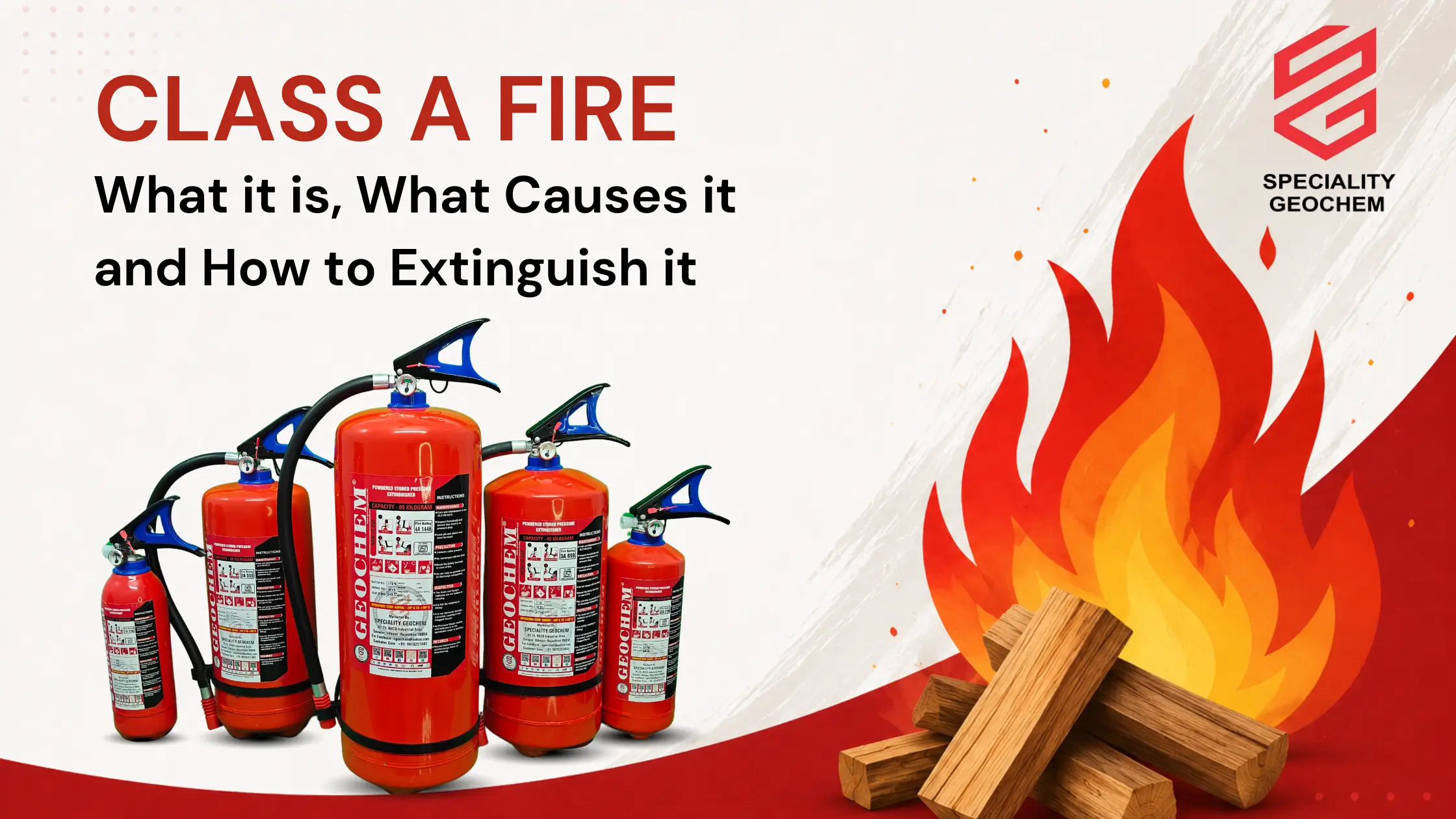
Class A Fire: What It Is, What Causes It, and How to Extinguish It

A Class A fire is a fire involving ordinary solid combustible materials such as wood, paper, cloth, rubber, cardboard, and most plastics. It is the most common type of fire globally because these materials exist in nearly every home, office, warehouse, and factory. What makes a Class A fire different from most other fire types […]

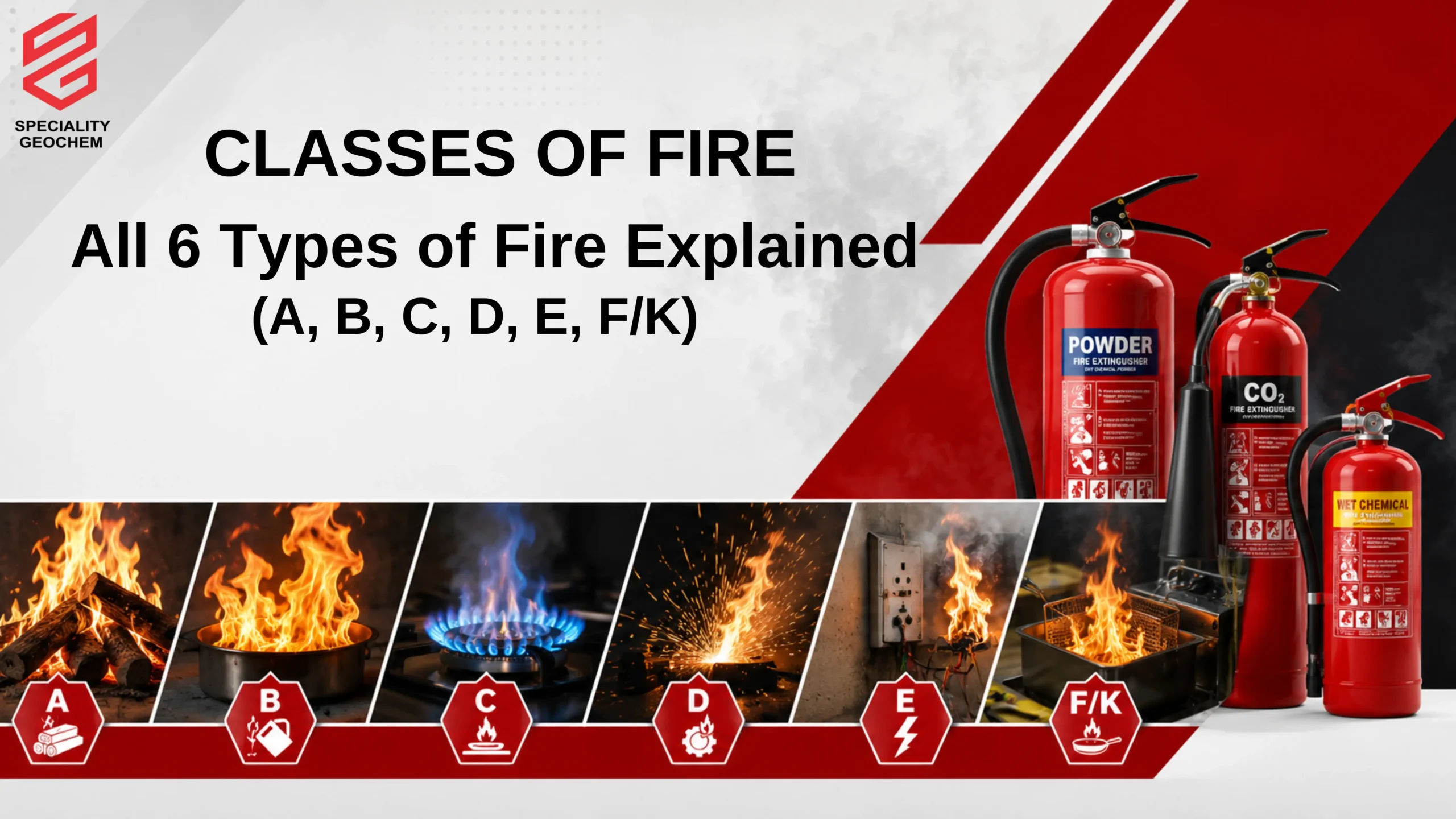
Classes of Fire: All 6 Types of Fire Explained (A, B, C, D, E, F/K)

Classes of Fire: All 6 Types of Fire Explained (A, B, C, D, E, F/K) There are 6 classes of fire recognised under Indian standard IS 15683:2018 and most international fire safety systems: Class A (solids), Class B (flammable liquids), Class C (flammable gases), Class D (combustible metals), Class E (electrical equipment), and Class F/K […]
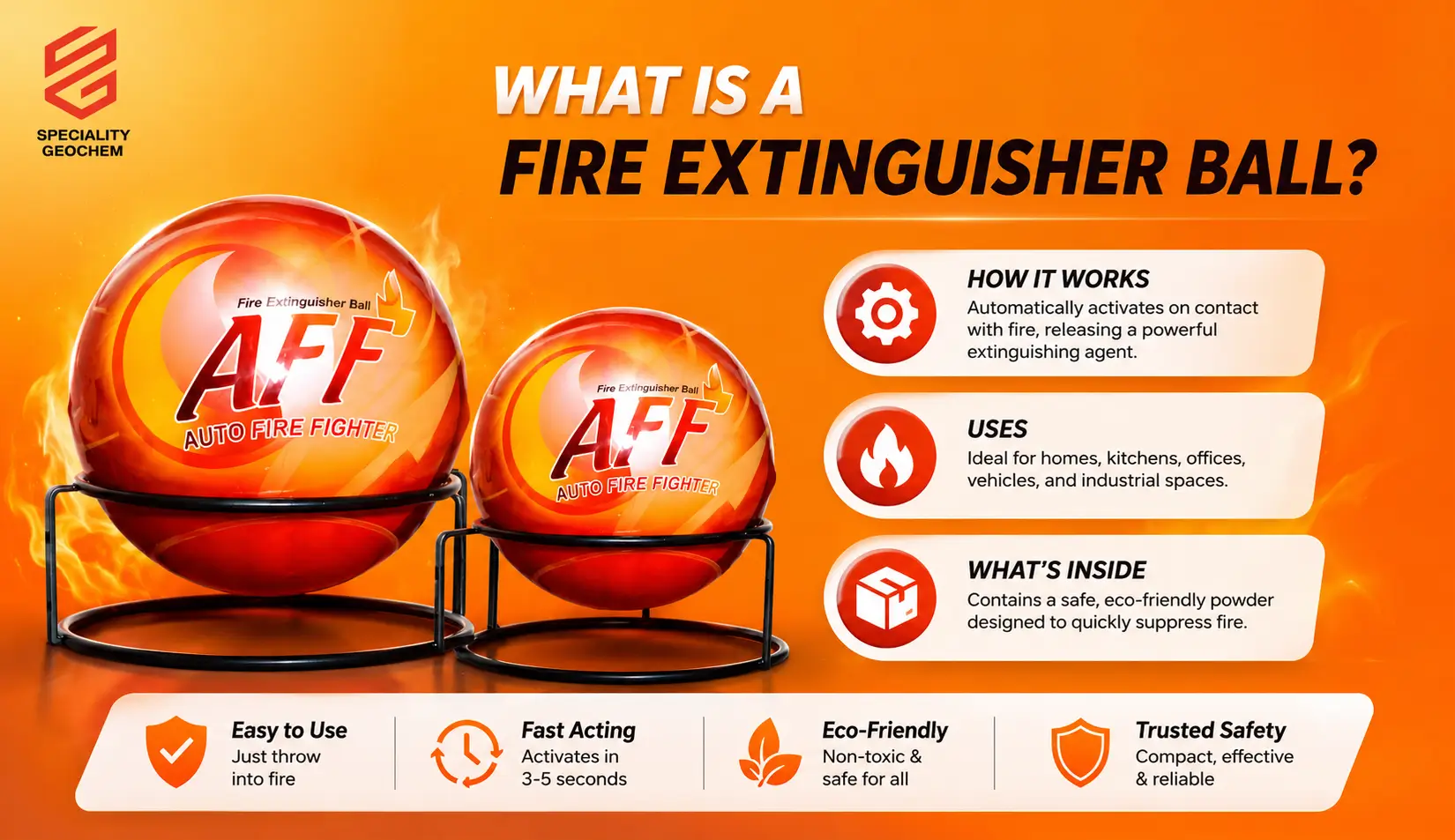
What is a Fire Extinguisher Ball? How It Works, Uses & What’s Inside

A fire extinguisher ball is a self-activating fire suppression device designed to burst automatically when it comes into direct contact with flames. Unlike conventional extinguishers, it does not require pins, pressure handling, or trained operation, making it useful during panic situations or in unmanned areas. It is commonly used in homes, kitchens, electrical rooms, vehicles, […]
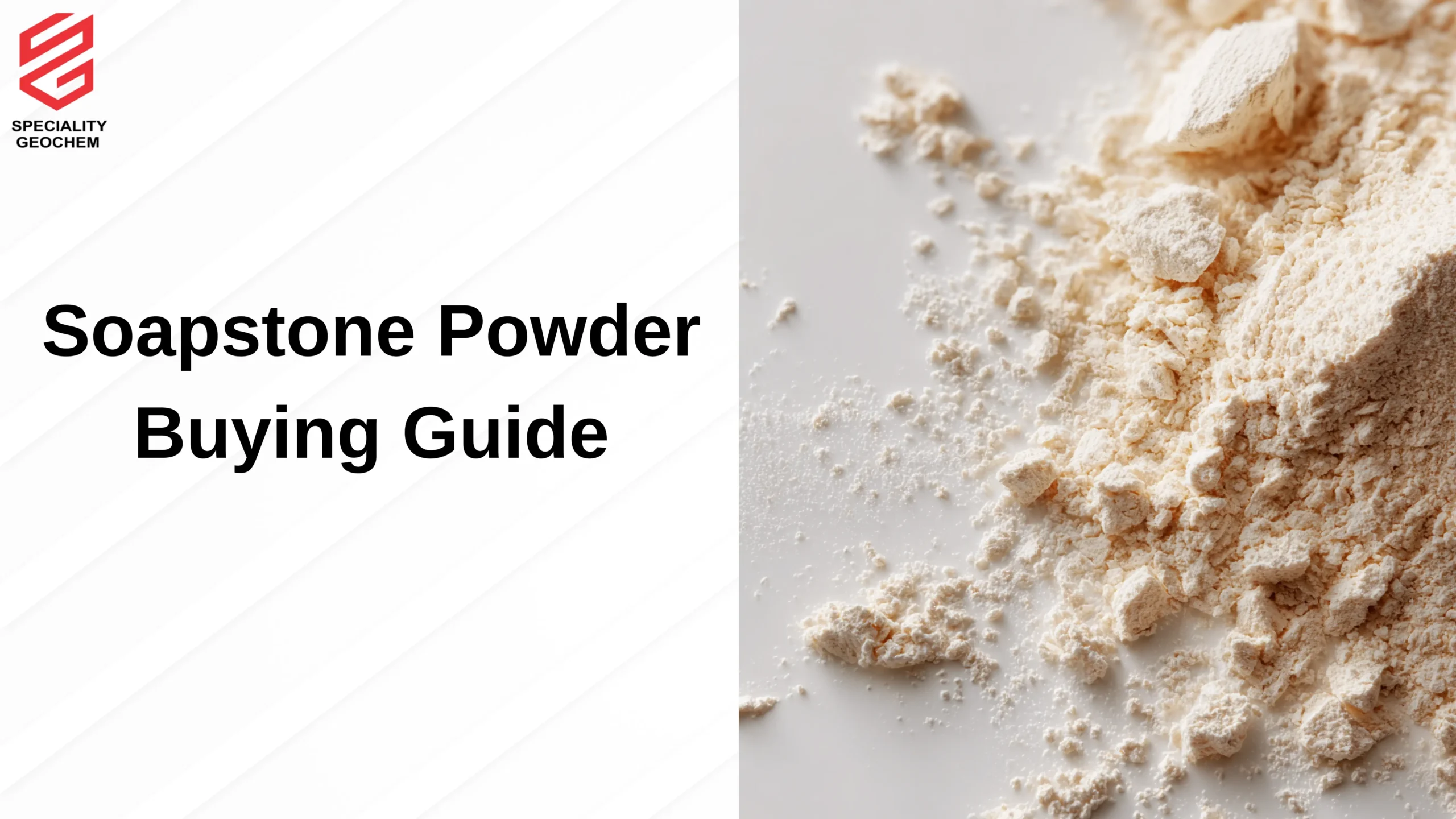
Soapstone Powder Buying Guide: What to Ask Before You Order

Most buyers treat soapstone powder like a commodity. They compare rates per tonne, negotiate transport, and place the order. Then the problems begin. Paint loses gloss consistency. Plastic parts warp under heat. Paper machines develop pitch deposits. Rubber compounds stick during molding. The issue is rarely “bad material.” The issue is wrong specification for the […]
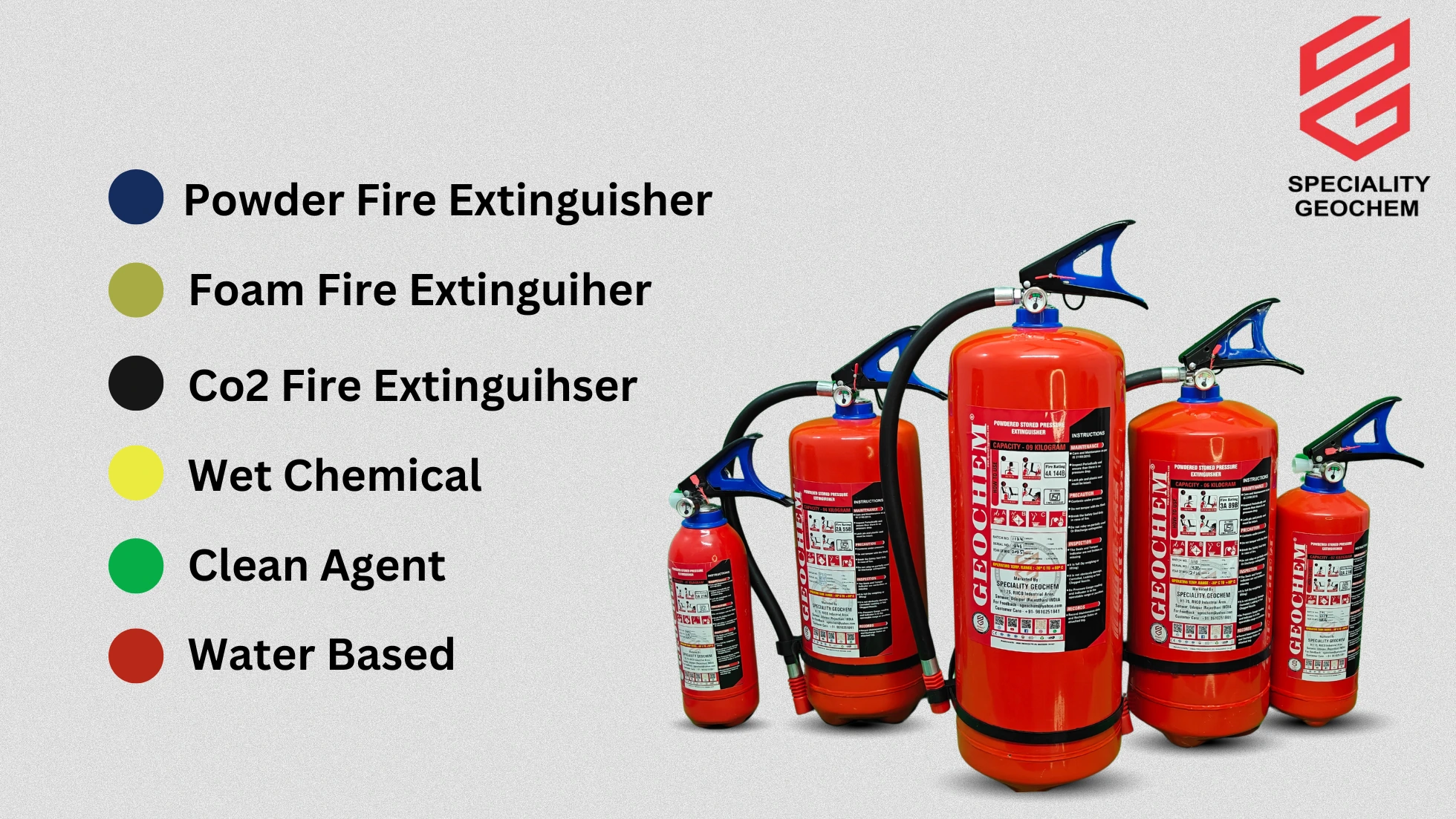
Fire Extinguisher Colour Code in India: Complete Guide (IS 2190 & BIS Standards)

What Is the Fire Extinguisher Colour Code in India? The fire extinguisher colour code in India is a standardized identification system that helps you instantly recognize which extinguisher to use during a fire. As per BIS guidelines and IS 2190, the fire extinguisher colour code in India requires that all extinguishers have a red body, […]
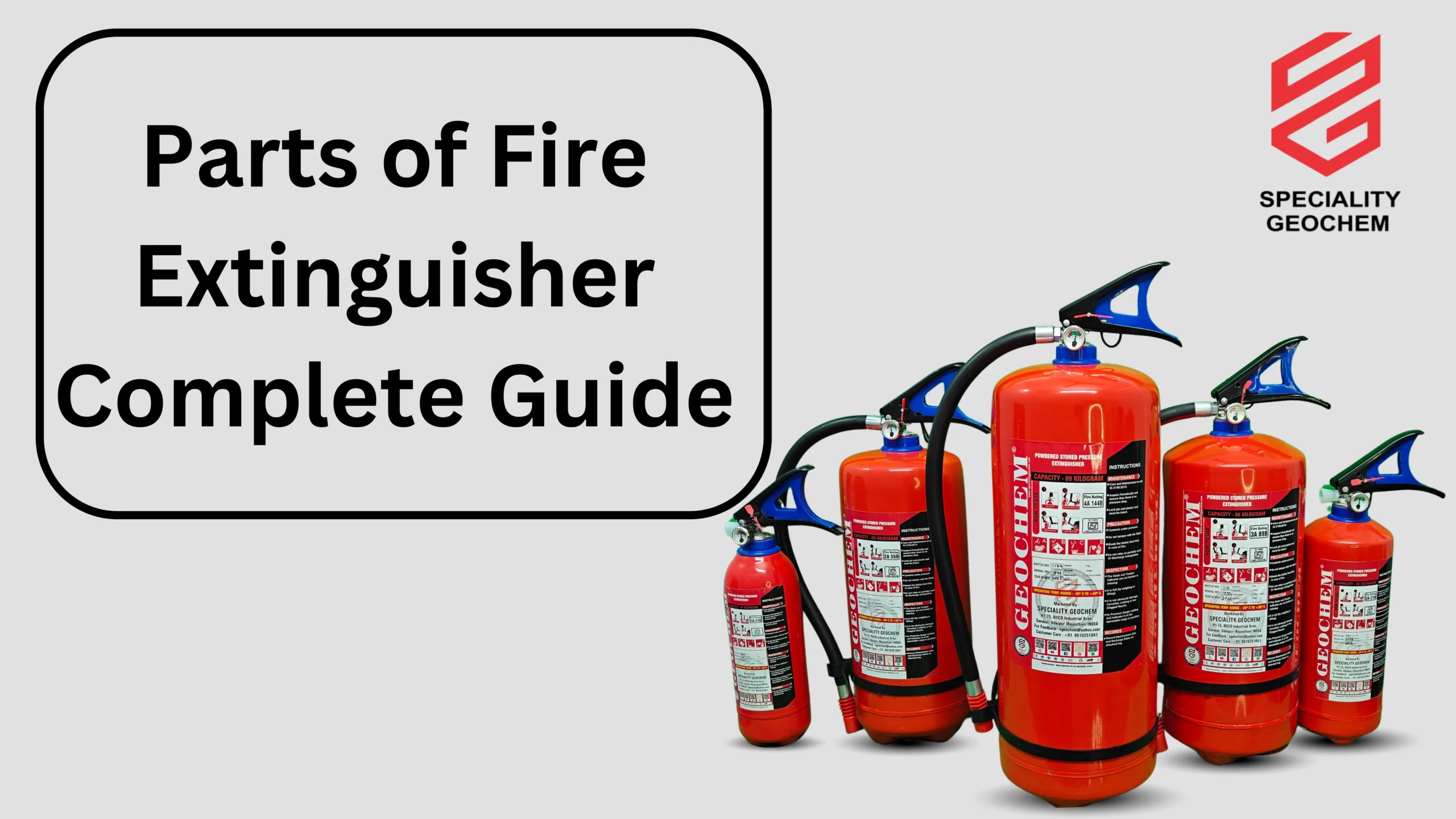
Parts of Fire Extinguisher: Complete Guide to Names, Functions & What Each Component Does

Most people have used a fire extinguisher at some point. Very few can name its parts or explain what happens when one fails. That gap matters more than it seems. This guide breaks down every part of fire extinguisher, how each component works, what to check during inspection, and what failure actually looks like in […]
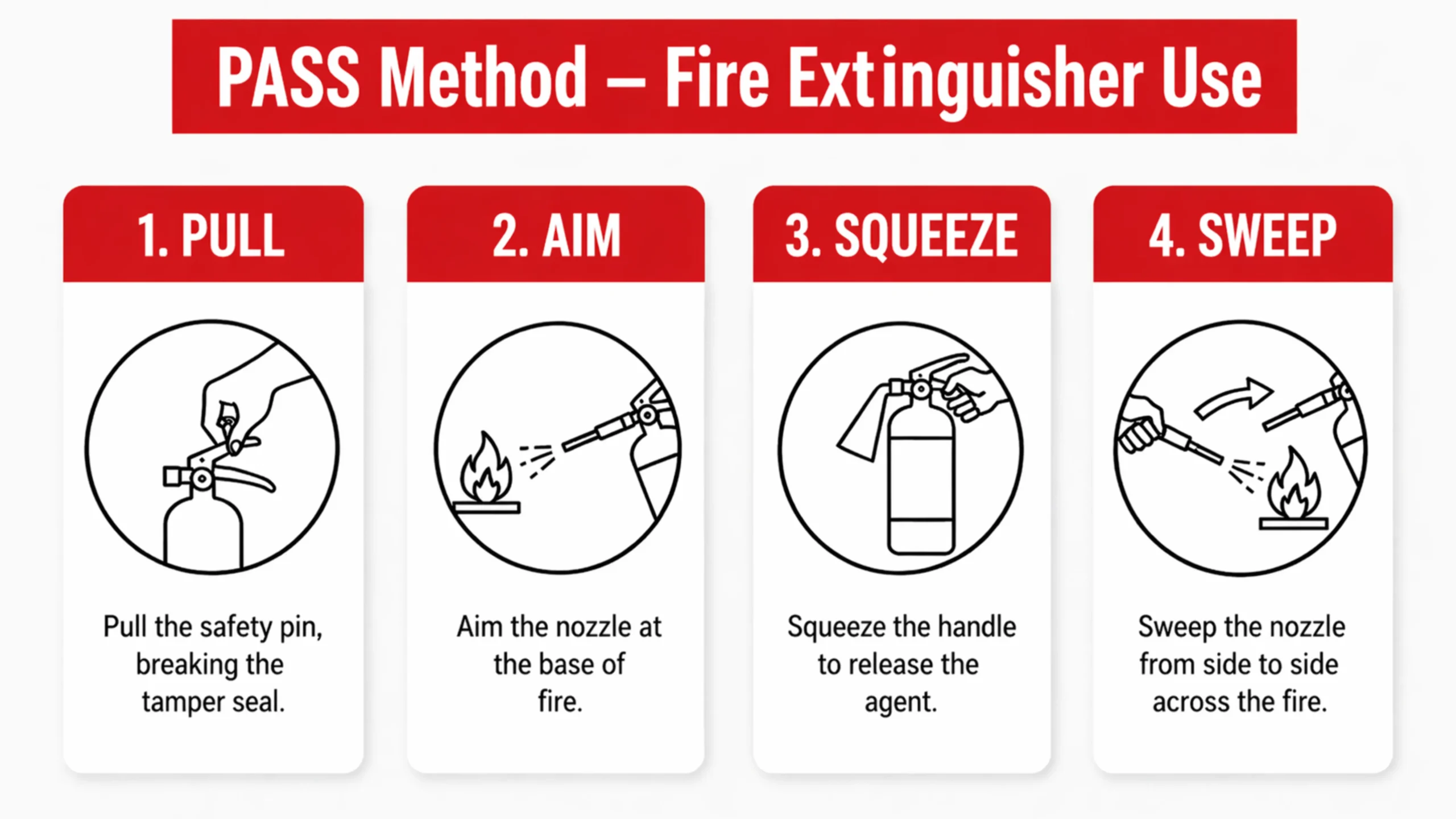
PASS Method Fire Extinguisher: Full Form, Steps & How to Use One Correctly

PASS method fire extinguisher means the 4-step technique used to operate most portable extinguishers safely. PASS stands for Pull, Aim, Squeeze, Sweep. Pull the safety pin, aim at the base of the fire, squeeze the handle, and sweep side to side until the fire is out. It is the standard method for ABC powder, CO2, […]
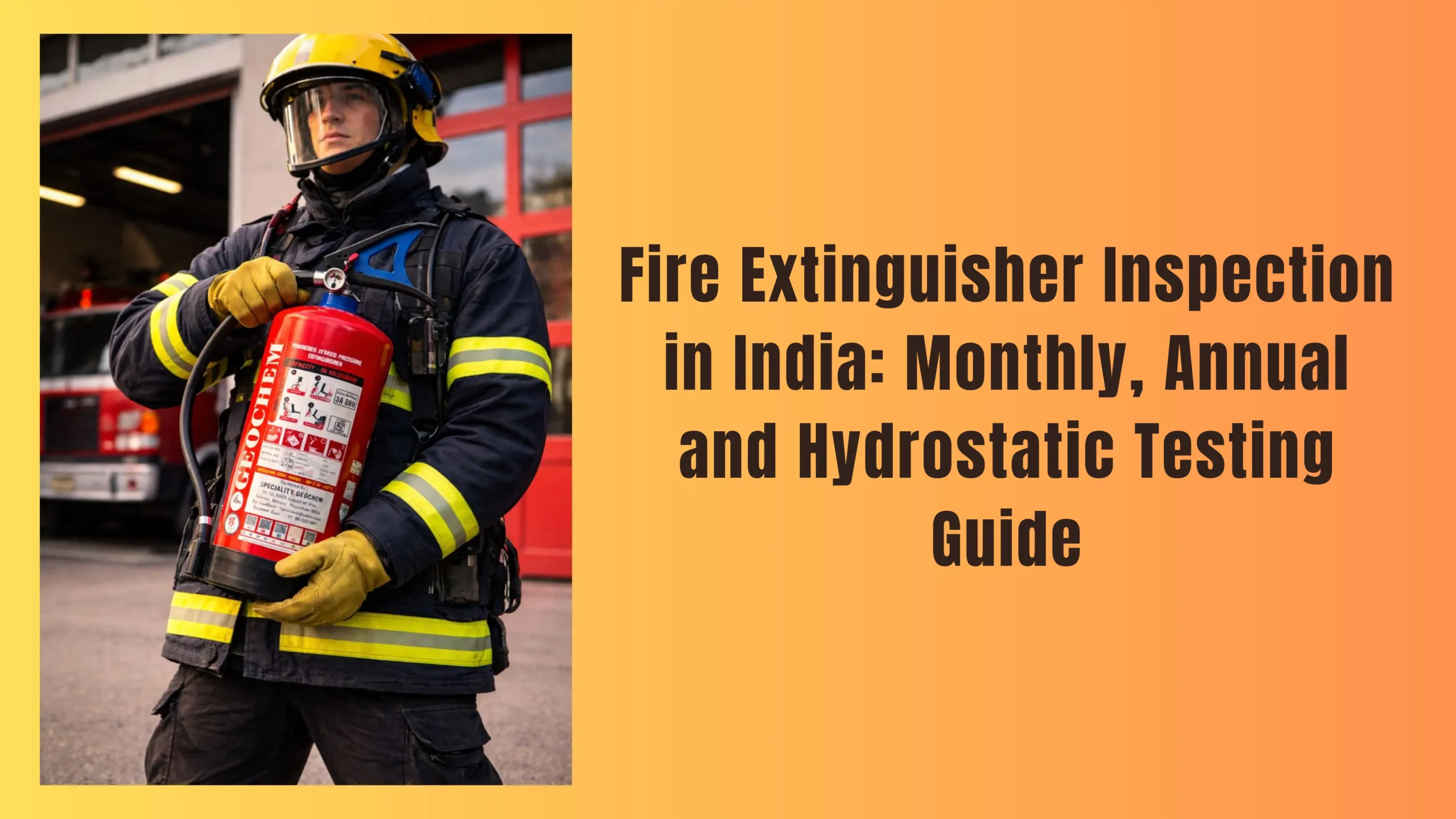
Fire Extinguisher Inspection in India: Monthly, Annual and Hydrostatic Testing Guide

Most fire extinguishers that fail during emergencies were not defective when installed. They were simply never inspected. IS 2190:2010, India’s governing standard for portable fire extinguisher maintenance, mandates a three tier inspection system: monthly, quarterly, and annual. Most facility managers know only about the annual service visit. That gap is a compliance failure and a […]
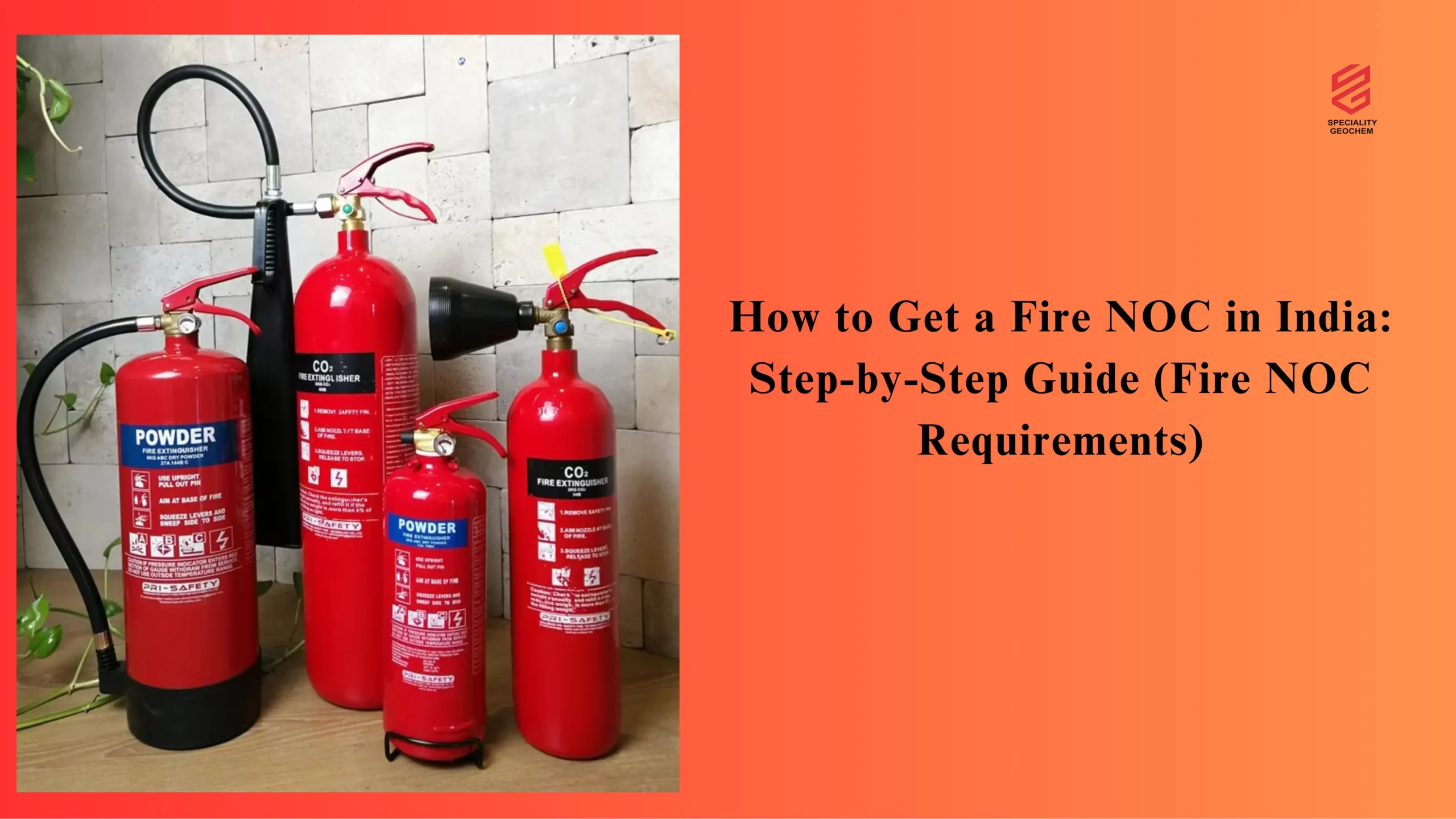
How to Get a Fire NOC in India: Step-by-Step Guide (Fire NOC Requirements)

The simplest way to understand fire NOC requirements in India is this: if your building handles people, electricity, fuel, or storage, the fire department wants proof that a fire will not trap people inside. That proof is the NOC Fire Certificate, issued by the local Fire Department after they review your building drawings, safety systems, […]
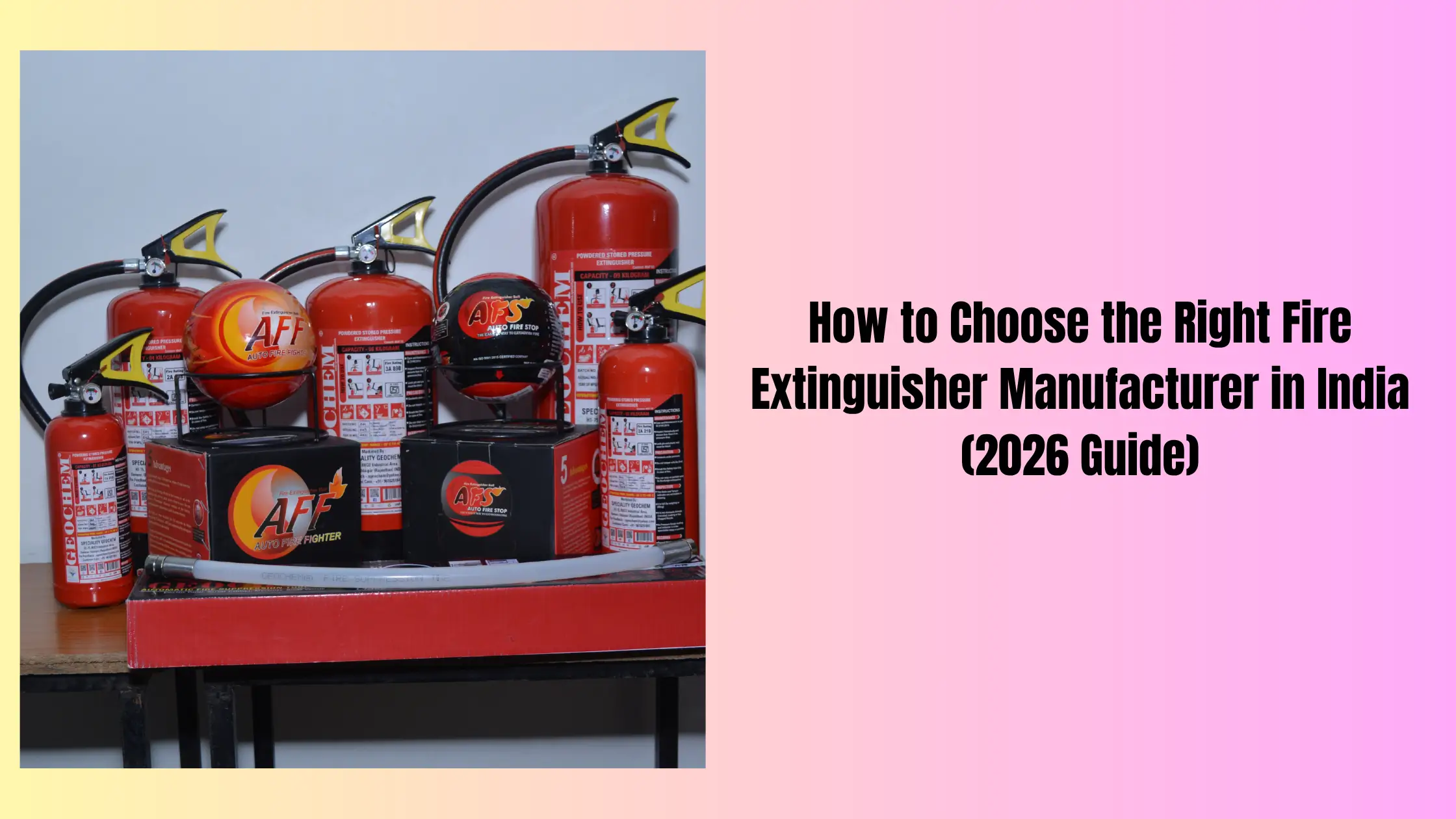
How to Choose the Right Fire Extinguisher Manufacturer in India (2026 Guide)

How to Choose the Right Fire Extinguisher Manufacturer in India? The short answer to how to choose a fire extinguisher manufacturer in India is simple. Pick a company that proves three things: certified manufacturing, real testing procedures, and reliable after-sales service. If even one of those is missing, walk away. I’ve spent more than three […]