
Fire Extinguisher Cylinders Work for Electrical Fires: Electrical fires are among the most dangerous types of fires that can occur in homes, offices, or industrial settings. These fires are caused by short circuits, overloaded wiring, faulty appliances, or damaged electrical systems. Unlike regular fires, they cannot be extinguished with water, as water conducts electricity and may cause severe electrocution. To tackle such hazards safely, fire extinguisher cylinders play a crucial role. Understanding how fire extinguisher cylinders work for electrical fires helps you choose the right safety equipment and respond effectively during emergencies.
In this guide, we’ll explore how these specialized cylinders function, their components, types, and the right way to use them for electrical fire safety.
1. Understanding Electrical Fires
Electrical fires start when electrical current flows through an unintended path, generating heat that ignites surrounding materials. Common causes include:
- Short circuits and loose wiring
- Overloaded extension cords or power strips
- Faulty or outdated electrical appliances
- Poorly maintained switchboards
Unlike ordinary fires, electrical fires must be extinguished using non-conductive agents that can suppress flames without allowing electricity to travel. This is where fire extinguisher cylinders for electrical fires come into play — offering a safe, effective, and reliable solution.
2. What Are Fire Extinguisher Cylinders?
A fire extinguisher cylinder is a pressurized metal container filled with fire-suppressing agents like carbon dioxide (CO₂), dry chemicals, or clean agents. It’s designed to release these agents rapidly to cut off oxygen and interrupt the chemical reaction that sustains fire.
These cylinders are equipped with:
- A pressure gauge to show the readiness level
- A safety pin to prevent accidental discharge
- A discharge nozzle or hose for directing the extinguishing agent
- A trigger handle for controlled release
When used correctly, they quickly put out electrical fires without leaving residue or causing equipment damage.
3. How Fire Extinguisher Cylinders Work for Electrical Fires
To understand how fire extinguisher cylinders work for electrical fires, it’s essential to know the science behind them. Electrical fires cannot be treated with water-based extinguishers; instead, they require non-conductive agents such as CO₂ or dry chemicals.
Here’s how the process works step-by-step:
- Activation:
When you pull the safety pin and press the handle, the internal pressure forces the extinguishing agent through the nozzle. - Agent Release:
Depending on the type of extinguisher, the cylinder releases either CO₂ gas or dry chemical powder at high speed. - Oxygen Displacement:
The released agent displaces oxygen around the fire, cutting off one of the three elements of the fire triangle (fuel, heat, oxygen). - Heat Reduction:
In CO₂ extinguishers, the cold gas rapidly cools the fire area, lowering the temperature and preventing re-ignition. - Interruption of Chemical Reaction:
In dry chemical extinguishers, the powder interrupts the chain reaction between fuel and oxygen, stopping the combustion process instantly.
By combining these mechanisms, fire extinguisher cylinders work for electrical fires in a way that neutralizes danger without damaging electrical equipment or causing further hazards.
4. Types of Fire Extinguisher Cylinders for Electrical Fires
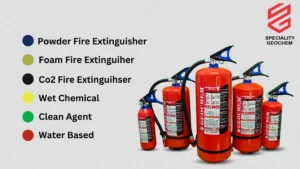
To ensure maximum safety, you must choose the right type of cylinder suitable for electrical fire risks. The main types include:
A. CO₂ (Carbon Dioxide) Fire Extinguisher Cylinders
- Best for: Electrical panels, data centers, offices, and server rooms.
- How it works: CO₂ extinguishers suffocate the fire by displacing oxygen and cooling the affected area.
- Advantages: Leaves no residue, non-conductive, and safe for electrical use.
B. Dry Chemical Powder (DCP) Extinguisher Cylinders
- Best for: Workshops, factories, and industrial areas.
- How it works: Releases fine powder that interrupts the fire’s chemical reaction.
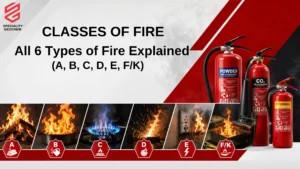
- Advantages: Works on Class A (ordinary), B (flammable liquid), and C (electrical) fires.
C. Clean Agent (Halon Replacement) Cylinders
- Best for: Sensitive environments like laboratories or server rooms.
- How it works: Uses clean gases that suppress fire without harming electronics.
- Advantages: Non-corrosive, residue-free, and highly efficient.
5. Step-by-Step Guide to Using Fire Extinguisher Cylinders for Electrical Fires
Using an extinguisher correctly can make all the difference. Follow the PASS technique:
- P – Pull the pin to unlock the extinguisher.
- A – Aim the nozzle at the base of the fire, not the flames.
- S – Squeeze the handle to release the agent.
- S – Sweep from side to side until the fire is completely out.
Always ensure you are standing at a safe distance and facing away from live electrical sources. Remember, fire extinguisher cylinders work for electrical fires only when used properly and maintained regularly.
6. Maintenance and Inspection
For reliability during emergencies, regular inspection and maintenance are essential.
- Check the pressure gauge monthly.
- Ensure the nozzle is clear and not blocked.
- Inspect for corrosion, dents, or leakage.
- Get professional servicing at least once a year.
Well-maintained extinguishers guarantee that your fire extinguisher cylinders work for electrical fires effectively when you need them most.
7. Importance of Installing the Right Fire Extinguisher Cylinder
Installing the correct extinguisher type is not just a safety requirement but a legal necessity in many workplaces. It ensures compliance with fire safety standards like the Bureau of Indian Standards (BIS) or National Building Code (NBC).
In offices and industries, where electrical equipment operates continuously, having CO₂ or DCP extinguishers in accessible locations is crucial. Label them clearly and train your staff to handle them safely.
8. Why Choose Speciality Geochem Fire Extinguisher Cylinders
Speciality Geochem offers reliable and certified fire extinguisher cylinders designed for electrical fire safety. Our range of CO₂ and dry powder extinguishers ensures quick response, durability, and efficiency.
Our products are:
- BIS-approved and manufactured using advanced technology.
- Suitable for domestic, commercial, and industrial applications.
- Easy to use and maintain with clear instructions.
We aim to make every environment safer by ensuring that fire extinguisher cylinders work for electrical fires swiftly and effectively when emergencies occur.
9. Safety Tips for Preventing Electrical Fires
- Avoid overloading power sockets.
- Turn off appliances when not in use.
- Use high-quality wiring and circuit breakers.
- Keep flammable items away from electrical outlets.
- Regularly inspect electrical panels and cords.
While prevention is key, being equipped with the right fire extinguisher cylinder adds an essential layer of protection.
Conclusion
Electrical fires can spread rapidly and cause severe damage if not handled correctly. Knowing how fire extinguisher cylinders work for electrical fires can save lives and property. These cylinders—especially CO₂ and dry chemical types—offer fast, residue-free, and non-conductive protection, making them the safest choice for electrical hazards.
By investing in quality fire extinguisher cylinders from Speciality Geochem, you ensure that your home, office, or industry is always ready to combat electrical fires safely and effectively.


One Response