Fire extinguishers are the first line of defence when a fire emergency occurs. However, an extinguisher is only effective if it is properly maintained and refilled at the right time. Many people assume that buying a fire extinguisher is a one-time investment, but in reality, regular servicing and refilling are essential to ensure reliable performance.
This detailed guide explains the Fire Extinguisher Cylinder Refilling Process in a simple, informative, and practical way. Whether you are a homeowner, facility manager, business owner, or safety officer, understanding this process will help you stay compliant with safety norms and protect lives and property.
Why Fire Extinguisher Refilling Is Important
A fire extinguisher gradually loses pressure and effectiveness over time, even if it is never used. Environmental conditions, internal leakage, and aging components can reduce its ability to discharge properly during an emergency.
Regular refilling and servicing ensure:
- Correct pressure inside the cylinder
- Proper quantity and quality of extinguishing agent
- Functional valves, seals, and safety pins
- Compliance with fire safety regulations
Ignoring refilling schedules can result in extinguisher failure at the most critical moment.
When Should a Fire Extinguisher Be Refilled?
Refilling is required in the following situations:
- After any use, even partial discharge
- When the pressure gauge shows low pressure
- During annual or periodic servicing
- After hydrostatic testing
- If the extinguisher has exceeded its service interval
Timely refilling keeps the extinguisher ready for immediate use.
Types of Fire Extinguisher Cylinders Commonly Refilled
Different types of fire extinguishers cylinders require different refilling methods:
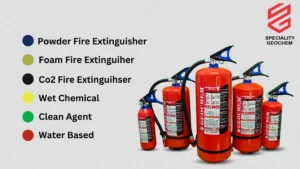
- ABC Dry Powder Extinguishers – For electrical, flammable liquid, and solid fires
- CO₂ Extinguishers – For electrical and electronic equipment
- Water-Based Extinguishers – For Class A fires
- Foam Extinguishers – For flammable liquids
- Clean Agent Extinguishers – For sensitive environments
Each type follows a specific Fire Extinguisher Cylinder Refilling Process to maintain safety and effectiveness.
Step-by-Step Fire Extinguisher Cylinder Refilling Process
Step 1: Initial Visual Inspection
The process begins with a detailed visual inspection. Technicians check:
- Cylinder body for dents, rust, or corrosion
- Valve assembly and operating lever
- Safety pin and tamper seal
- Pressure gauge condition
If the cylinder shows structural damage, it may be rejected or sent for testing before refilling.
Step 2: Discharge of Remaining Pressure
Any remaining pressure or extinguishing agent is safely discharged. This ensures:
- Accurate refilling
- Safe dismantling of components
- Prevention of accidental discharge
Controlled discharge is critical for technician safety.
Step 3: Dismantling the Valve Assembly
The valve assembly is carefully removed. Components such as:
- Valve stem
- O-rings and seals
- Discharge hose or nozzle
are separated and inspected for wear or damage. Faulty parts are replaced to prevent leakage.
Step 4: Internal Cleaning of the Cylinder
The cylinder is thoroughly cleaned from the inside to remove:
- Old powder residue
- Moisture or contaminants
- Corrosion particles
Clean interiors ensure smooth flow of the extinguishing agent during discharge.
Step 5: Refilling with Approved Extinguishing Agent
This is the core stage of the Fire Extinguisher Cylinder Refilling Process. The correct type and quantity of extinguishing agent are added as per standards:
- Dry powder is measured by weight
- Liquids are measured by volume
- CO₂ is filled using calibrated equipment
Only certified and approved agents are used to maintain performance and compliance.
Step 6: Pressurisation of the Cylinder
After refilling, the cylinder is pressurised using:
- Nitrogen or compressed air (for powder and water extinguishers)
- CO₂ pressure itself (for CO₂ extinguishers)
Pressure levels are set strictly according to manufacturer and safety guidelines.
Step 7: Leak Testing and Functional Check
Once pressurised, the extinguisher undergoes leak testing:
- Soap solution or pressure monitoring methods
- Valve and seal inspection
- Hose and nozzle checks
This ensures there is no pressure loss and the extinguisher is safe to store and use.
Step 8: Reassembly and Final Inspection
All components are reassembled carefully. A final inspection confirms:
- Correct pressure reading
- Smooth operation of the lever
- Secure safety pin and seal
Only after passing this stage is the extinguisher approved for use.
Step 9: Labelling and Documentation
A service label is attached to the cylinder mentioning:
- Date of refilling
- Next due service date
- Technician or service provider details
Proper documentation helps track maintenance history and ensures compliance during audits.
Safety Standards Followed During Refilling
Professional refilling services strictly follow:
- IS standards and fire safety regulations
- Manufacturer guidelines
- Workplace safety protocols
This ensures that the Fire Extinguisher Cylinder Refilling Process meets both legal and operational safety requirements.
Common Mistakes to Avoid
- Using unapproved extinguishing agents
- Overfilling or underfilling cylinders
- Ignoring pressure calibration
- Skipping leak tests
- Refilling without proper training
These mistakes can compromise safety and performance.
How Often Should Refilling Be Done?
While usage triggers immediate refilling, general guidelines include:
- Annual inspection and servicing
- Periodic refilling as recommended by manufacturer
- Mandatory refilling after hydrostatic testing
Regular schedules ensure long-term reliability.
Benefits of Professional Fire Extinguisher Refilling
Choosing a certified service provider offers:
- Trained technicians
- Correct tools and equipment
- Compliance with safety laws
- Reliable emergency performance
Professional handling reduces risk and increases extinguisher lifespan.
Conclusion
At Speciality Geochem, we believe that fire safety is an ongoing commitment, not a one-time setup. Understanding and following the Fire Extinguisher Cylinder Refilling Process ensures that every extinguisher performs reliably during critical moments. Proper refilling, combined with regular inspection and certified servicing, reduces risks and enhances overall preparedness. For businesses, institutions, and residential spaces, timely maintenance of fire extinguishers is a vital step toward protecting lives, assets, and continuity. By choosing professional refilling services and adhering to safety standards, you reinforce a culture of responsibility and readiness. With Speciality Geochem, fire safety remains proactive, compliant, and dependable.